
The Psychology of Colors in Casino Design
Color psychology plays a crucial role in shaping the atmosphere and mood within casinos. By employing specific colors, casinos create environments that not only attract players but also encourage them to stay longer. For instance, red is often associated with excitement and can stimulate adrenaline, making it a popular choice for slot machines and gaming tables. Amid these considerations, new betting sites can also enhance the gaming experience with innovative designs. By strategically utilizing colors, casinos are able to invoke feelings of thrill that keep players engaged and, consequently, spending more time and money.
Moreover, the use of softer colors, such as blues and greens, can create a calming atmosphere that allows players to feel relaxed while gambling. This juxtaposition encourages them to engage in a more leisurely gaming experience, potentially leading to longer sessions at the tables. By understanding the psychological impact of colors, casinos can tailor their décor to not just attract newcomers but also retain loyal players through a carefully crafted ambiance that feels inviting and reassuring.
The thoughtful incorporation of color extends beyond just the walls and carpets; it can also influence how a player perceives time. Studies have shown that certain color schemes can alter a player’s sense of time, making hours feel like mere minutes. By maximizing this effect, casinos create an environment where patrons lose track of time, which could lead to extended gaming sessions and increased spending. This interplay of design and psychology significantly influences player behavior and decision-making processes as they game.
Layout and Flow: A Journey Through the Casino
The physical layout of a casino is meticulously designed to guide players through a journey that enhances their gaming experience. From the entrance to the gaming floor, every element is strategically placed to promote a sense of exploration and adventure. For instance, high-traffic areas often lead to the most popular games, enticing players to try their luck. This careful flow not only maximizes visibility but also ensures that players are consistently exposed to various gaming options, potentially increasing their engagement.
Casinos often employ a labyrinthine design, making it easy for players to wander from one area to another without realizing how much time has passed. This design choice takes advantage of a player’s natural curiosity, encouraging them to discover new games and promotions in the process. Additionally, placement of amenities such as bars and lounges within the gaming area invites players to take a break, have a drink, and return to gameplay, perpetuating their overall engagement with the casino.
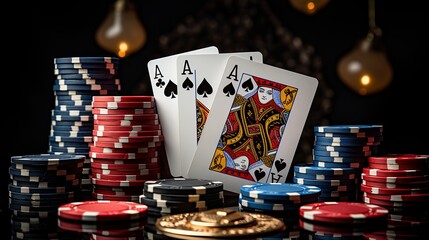
The layout also impacts social interaction, which is an important aspect of the gambling experience for many players. By designing spaces that promote camaraderie, such as communal gaming tables and lounge areas, casinos foster a sense of community. This social aspect motivates players to spend more time in the venue, as the experience becomes not only about gambling but also about enjoying the company of others. The combination of strategic flow and social spaces creates an environment conducive to extended play and increased spending.
Sounds and Sights: The Role of Sensory Elements
Alongside visual elements, auditory design is pivotal in creating the quintessential casino experience. The sounds that fill a casino—be it the clinking of coins, the cheers of winners, or the pulsating music—serve to heighten the excitement and energy levels of players. This sensory stimulation can evoke emotions such as joy, anticipation, and thrill, prompting players to engage more deeply with the games. The carefully curated soundscapes help shape player emotions and behavior, making them feel more invested in their gambling experience.
Moreover, the use of lighting is essential to enhance the overall atmosphere. Bright lights around slot machines and game tables create a sense of excitement, while dimmer lighting in lounge areas allows for relaxation and comfort. This contrast not only establishes distinct zones but also plays into the emotional state of the players, guiding them through their gaming journey with intention. Casinos utilize these auditory and visual cues to elicit emotional responses that keep players engaged and entertained.
The combination of sound and light can also create a sense of urgency, compelling players to act quickly and make decisions on the games they choose to play. This is particularly true for promotional campaigns, where bright lights and upbeat music can draw attention to specific gaming tables or slots. By creating this immersive environment, casinos harness the power of sensory design to influence player behavior, encouraging not just participation, but enthusiasm and loyalty to the gaming experience.
The Strategically Designed Environment for Player Comfort
Comfort is a fundamental aspect that casinos consider in their design to promote extended stays. Ergonomic seating, temperature control, and spacious layouts contribute significantly to the player’s comfort level. Comfortable chairs around gaming tables and machines allow players to settle in for longer sessions, while appropriate climate control ensures they remain at ease, reducing the likelihood of discomfort ruining their experience. Such attention to detail encourages players to remain engaged without the distraction of physical discomfort.

Moreover, the strategic placement of amenities such as restrooms, ATMs, and refreshment areas is another aspect of design aimed at minimizing disruption. Players should feel that all their needs are conveniently met without requiring them to divert their focus away from the gaming floor. This seamless integration of functional spaces into the overall design ensures that players can continue their gaming experience with minimal interruption, thus reinforcing their commitment to stay longer and play more.
Additionally, the effort to maintain a clean and well-designed environment contributes to a positive atmosphere. High cleaning standards and aesthetic design elements can influence player perceptions and encourage them to relax. When players feel that they are in a well-managed and pleasant environment, they are more likely to engage positively with the games, increasing their overall enjoyment and potential spending. This focus on comfort and cleanliness is pivotal in shaping players’ preferences and behaviors within casinos.
Final Thoughts on Casino Design and Player Engagement
In conclusion, casino design is a multifaceted strategy aimed at influencing player behavior and enhancing their experience. From psychological components like color and sound to the physical layout and comfort factors, every design element works in concert to create an engaging environment. Casinos leverage these design aspects to ensure that players are not only attracted but also captivated, leading them to spend more time enjoying their gaming experience.
Understanding how these elements interact allows casinos to refine their environments continuously, adapting to the preferences of modern players. As competition intensifies, the importance of design in enticing and retaining players cannot be overstated. The insights drawn from player behavior inform future design decisions, ensuring that casinos remain appealing and relevant in an ever-evolving industry.
Furthermore, for those seeking to learn more about effective casino design strategies or explore innovative environments, resources available on dedicated websites provide valuable insights. These platforms delve into the intersection of casino design and player psychology, offering an in-depth understanding of how these aspects converge to create unforgettable gambling experiences. By exploring these resources, players and industry professionals alike can gain a deeper appreciation of the nuanced strategies employed within the realm of casino design.